
“IN HUNTING, THE FINDING AND KILLING OF THE GAME IS AFTER ALL ONLY A PART OF THE WHOLE. THE FREE, SELF-RELIANT, ADVENTUROUS LIFE, WITH ITS RUGGED AND STALWART DEMOCRACY; THE WILD SURROUNDINGS, THE GRAND BEAUTY OF THE SCENERY, THE CHANCE TO STUDY THE WAYS AND HABITS OF THE WOODLAND CREATURES—ALL THESE UNITE TO GIVE TO THE CAREER OF THE WILDERNESS HUNTER ITS PECULIAR CHARM.” -TEDDY ROOSEVELT
MISSION: Since I was first invited to deer camp as a boy, surrounded by my father, uncles, and cousins, it was tradition to recite aloud Teddy Roosevelt’s account of the unfettered outdoorsman. Years later, whether I was carrying a gun, a fly rod, or a foraging basket, Roosevelt’s quote grew into a personal mission: to constantly improve my familiarity with the great outdoors and share that knowledge with others.
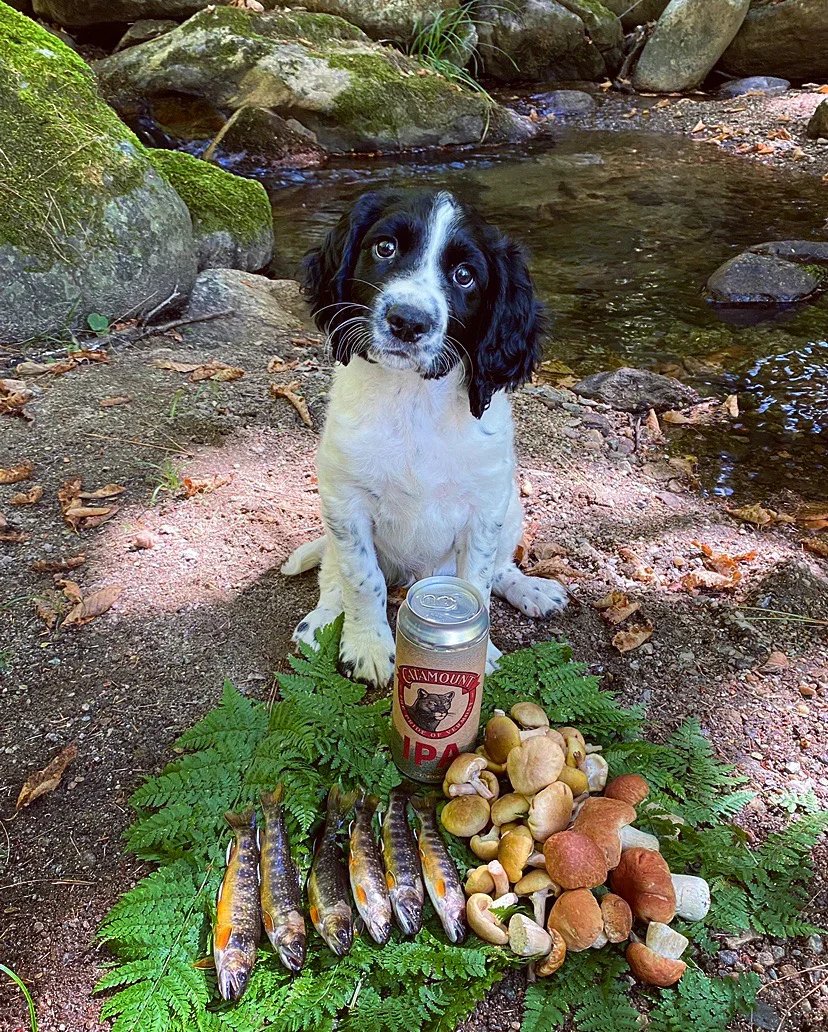
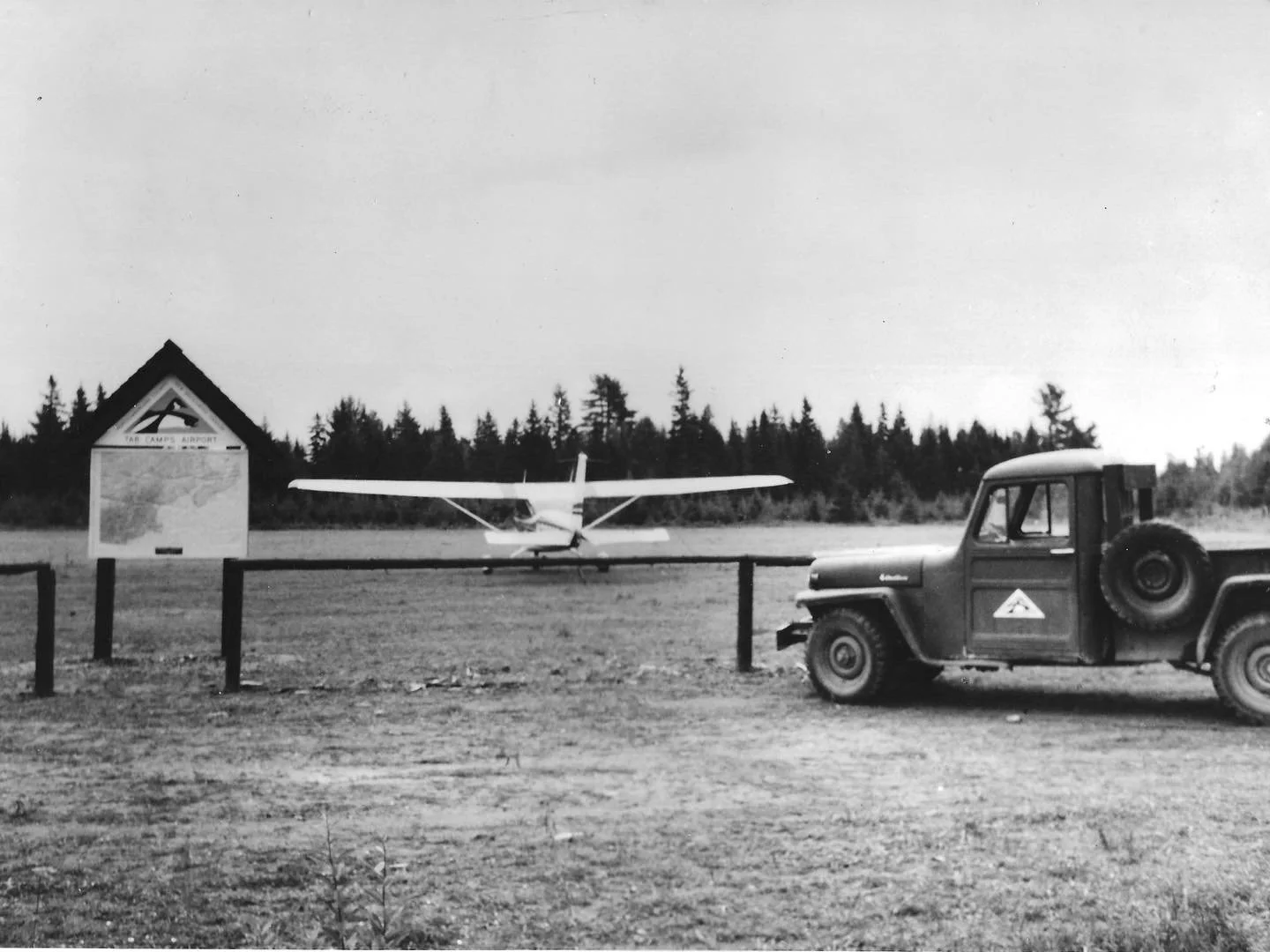
"Tabusintac Camps” New Brunswick, Canada 1971
“Go afield with a good attitude, with respect for the wildlife you hunt and for the forest and fields in which you walk. Immerse yourself in the outdoor experience. It will cleanse your soul and make you a better person.”
Fred Bear
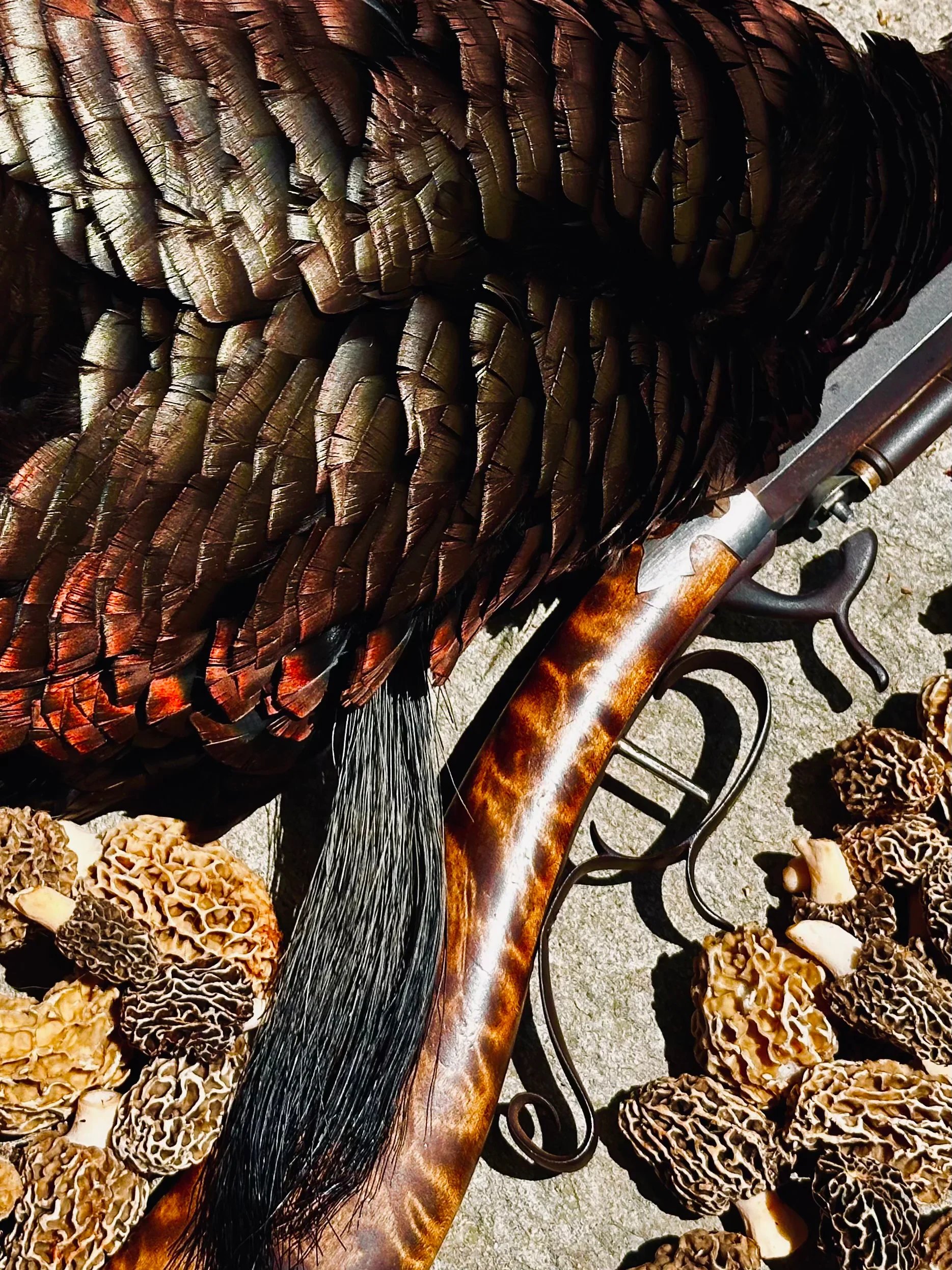
The “wild surroundings” blog page is a collection of stories of outdoor memories, humor, and conservation. As well as tips, information, and recipes. Written by dedicated outdoor enthusiasts.
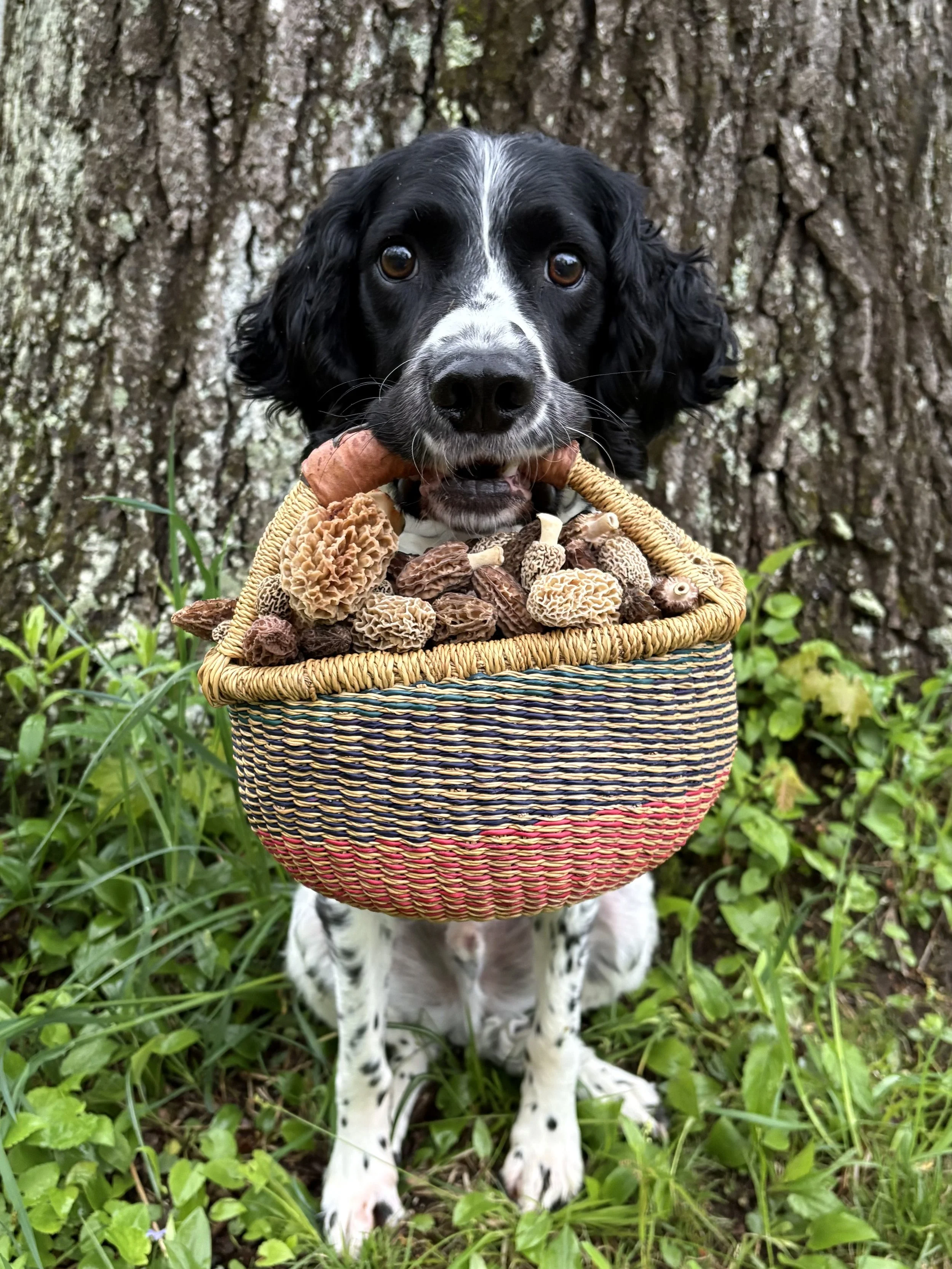
Hit the picture to open the recipe
Tagliatelle with Creamed Morels
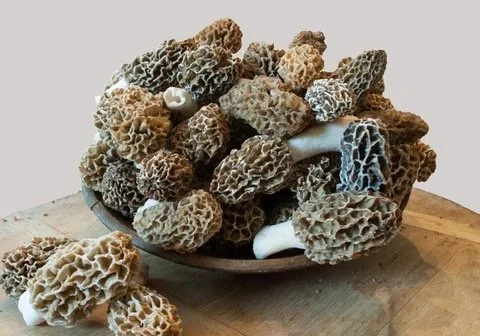
Morel, Asparagus and Pea Risotto
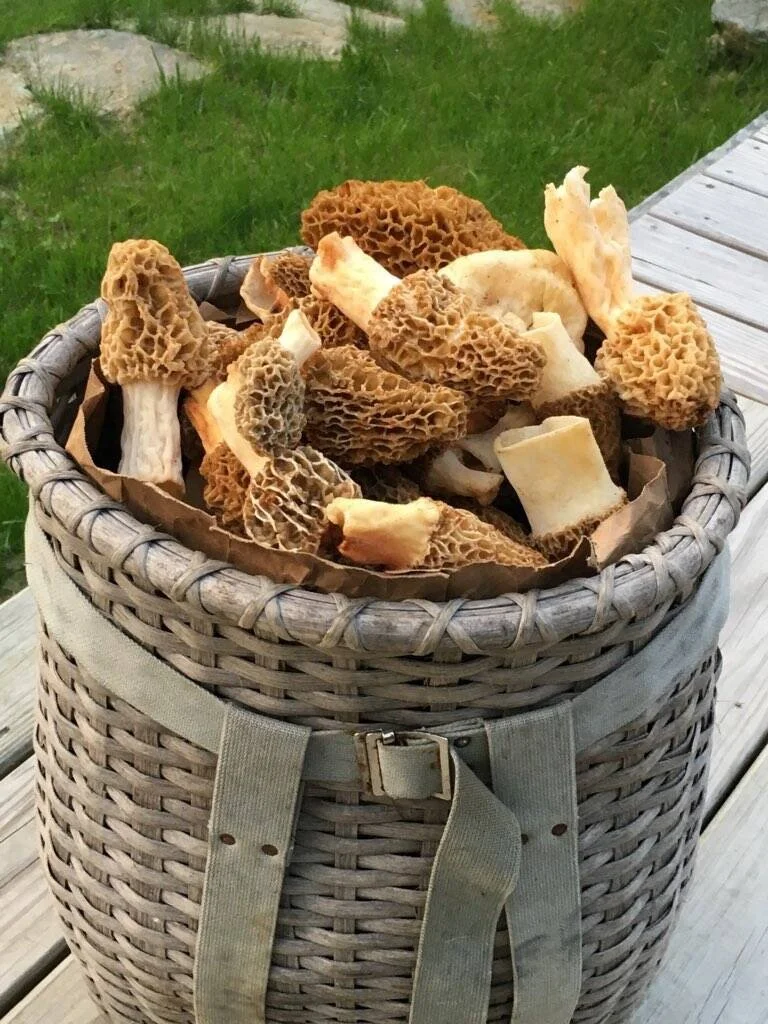
Stuffed Morel Appetizer
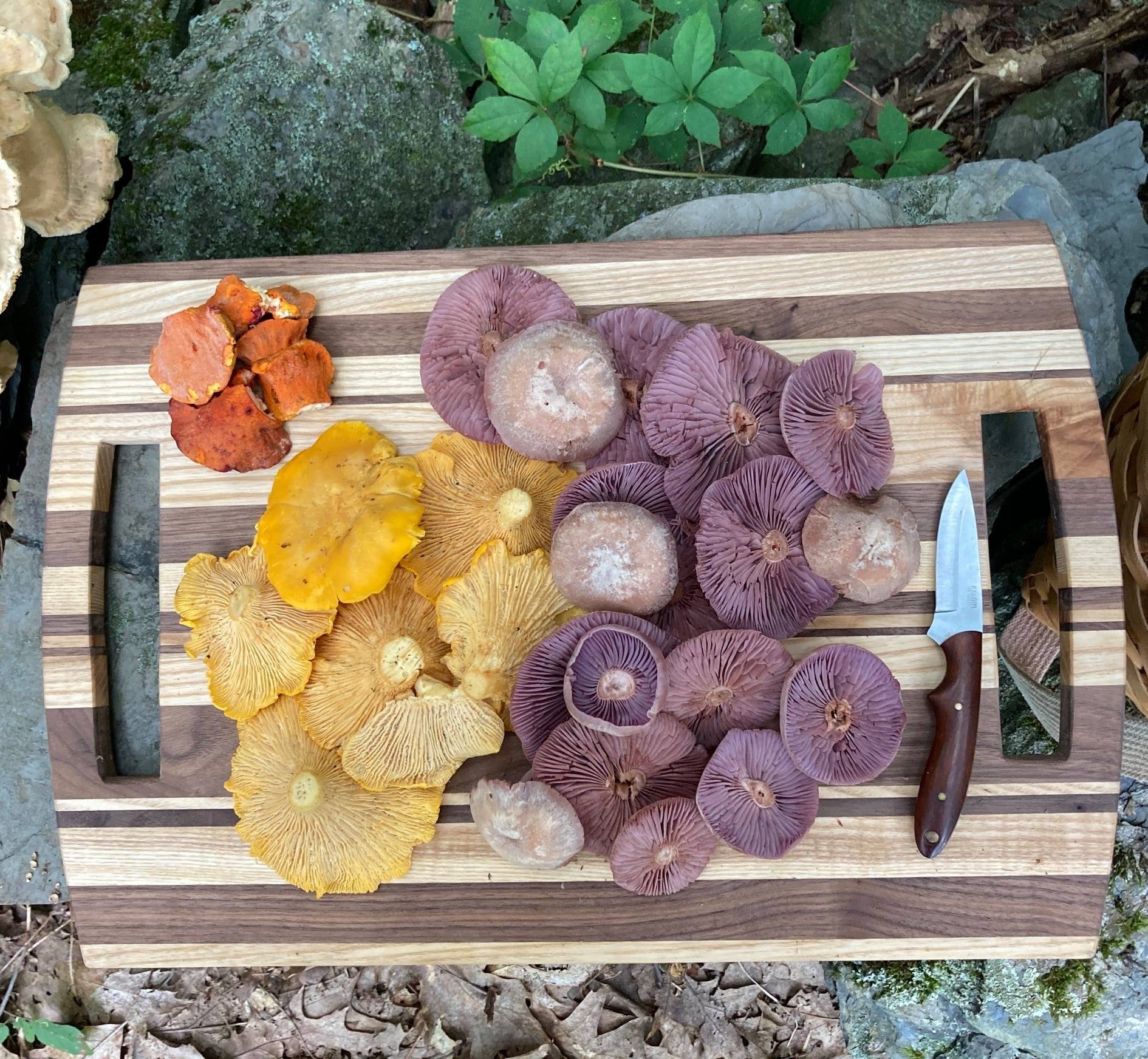
Mushroom Hunting 101
Written by Olivia Winslow
Signs of spring are finally appearing here in the Northeast with the slow melting of the snow, muddy roads and warmer temperatures. Though it will be a while before New England mushroom hunters can get into the woods, being prepared is vital for a successful season. New and expert mushroom hunters should take the time to examine their gear, consult their identification books and review the foragers’ code of conduct before heading into the woods to ensure a safe and enjoyable experience.
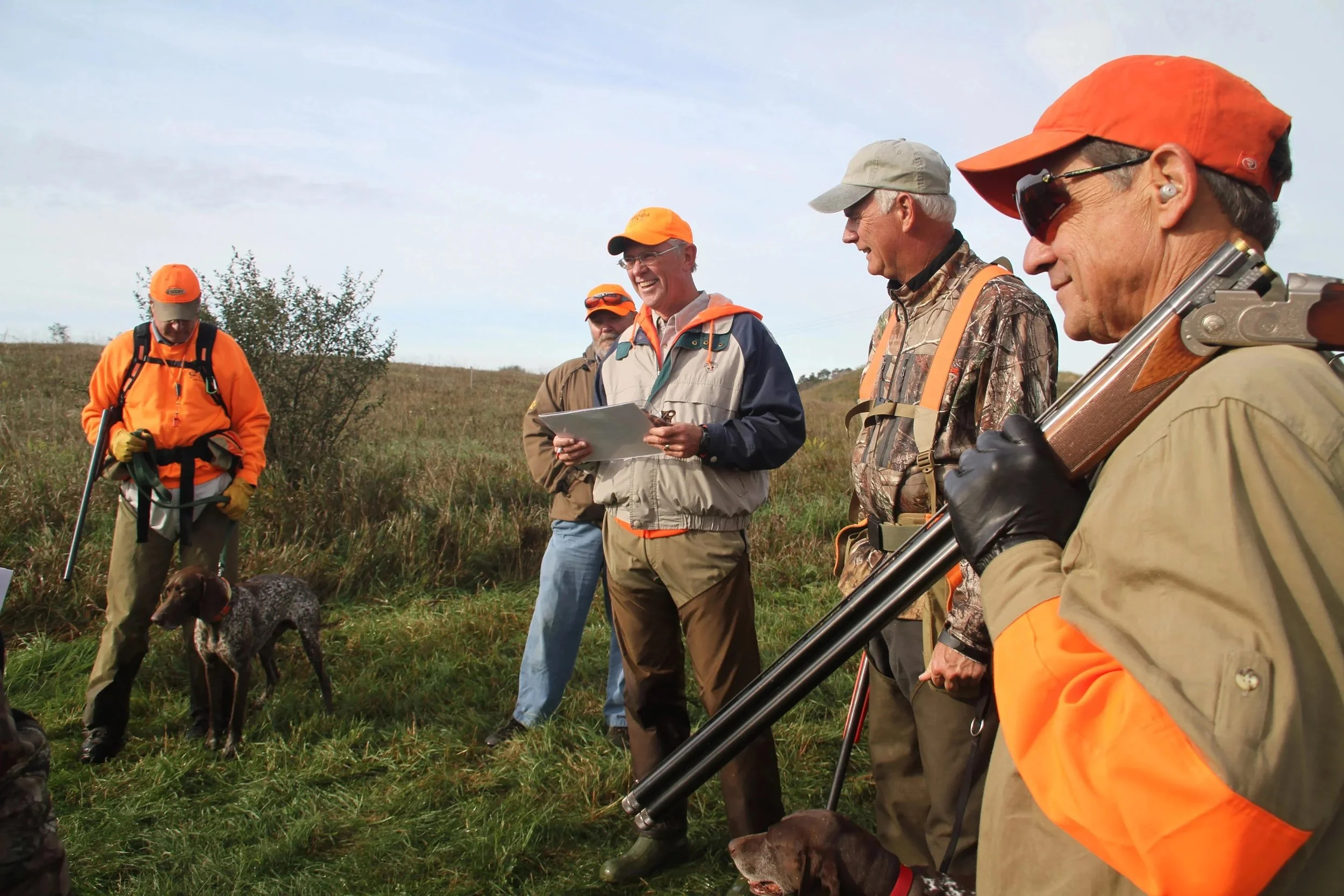
Field Trials and Hunt Tests, Huh?
Text & Photos by Nancy Anisfield Reprinted by permission of Pheasants Forever
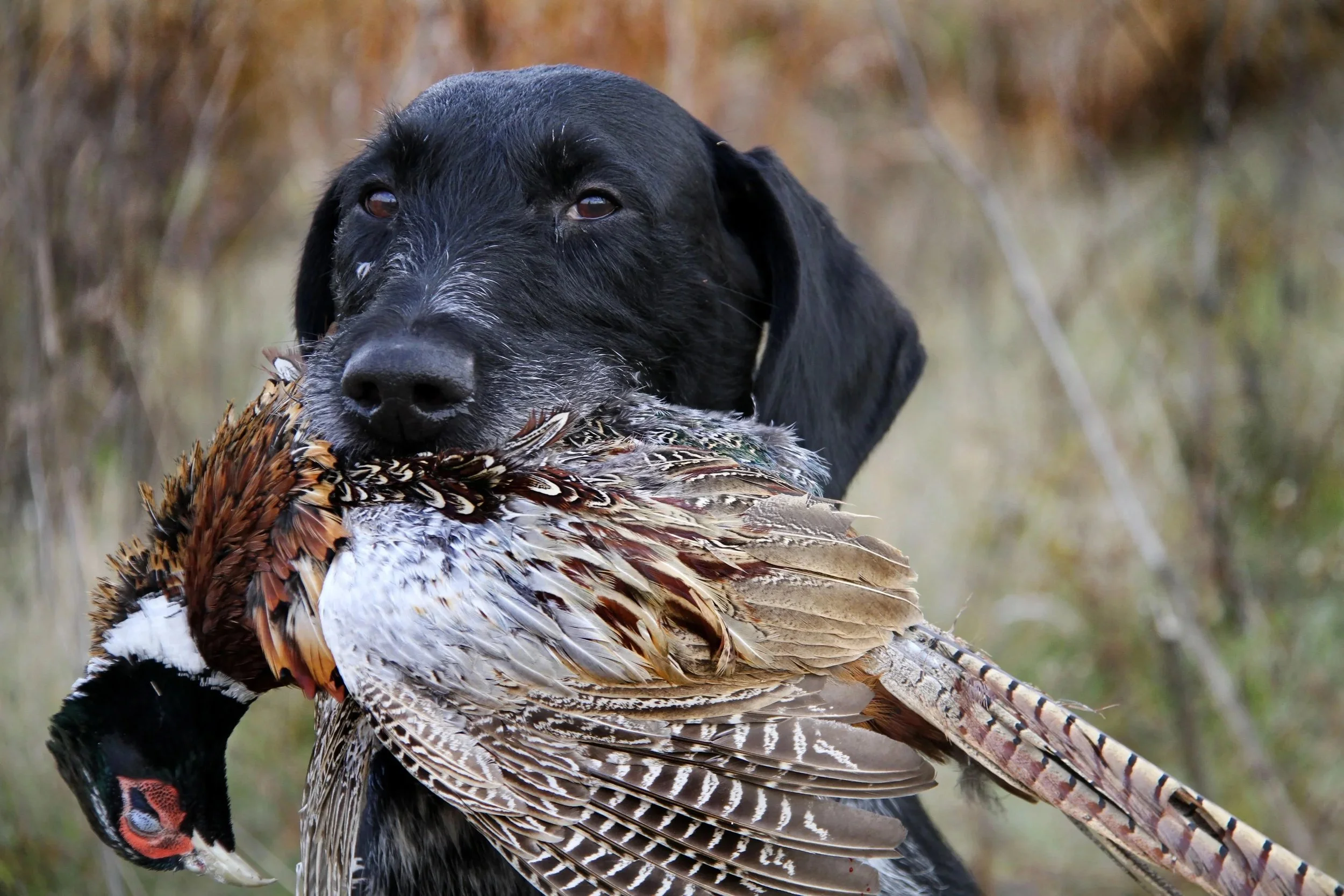
Lots of hunting dog owners, especially newbies, aren’t sure what the difference is between a field trial and a hunt test. While both are great things to do in the off season to keep us and our dogs in shape, training, and having fun, it can be confusing to figure out what’s right for you and your dog.
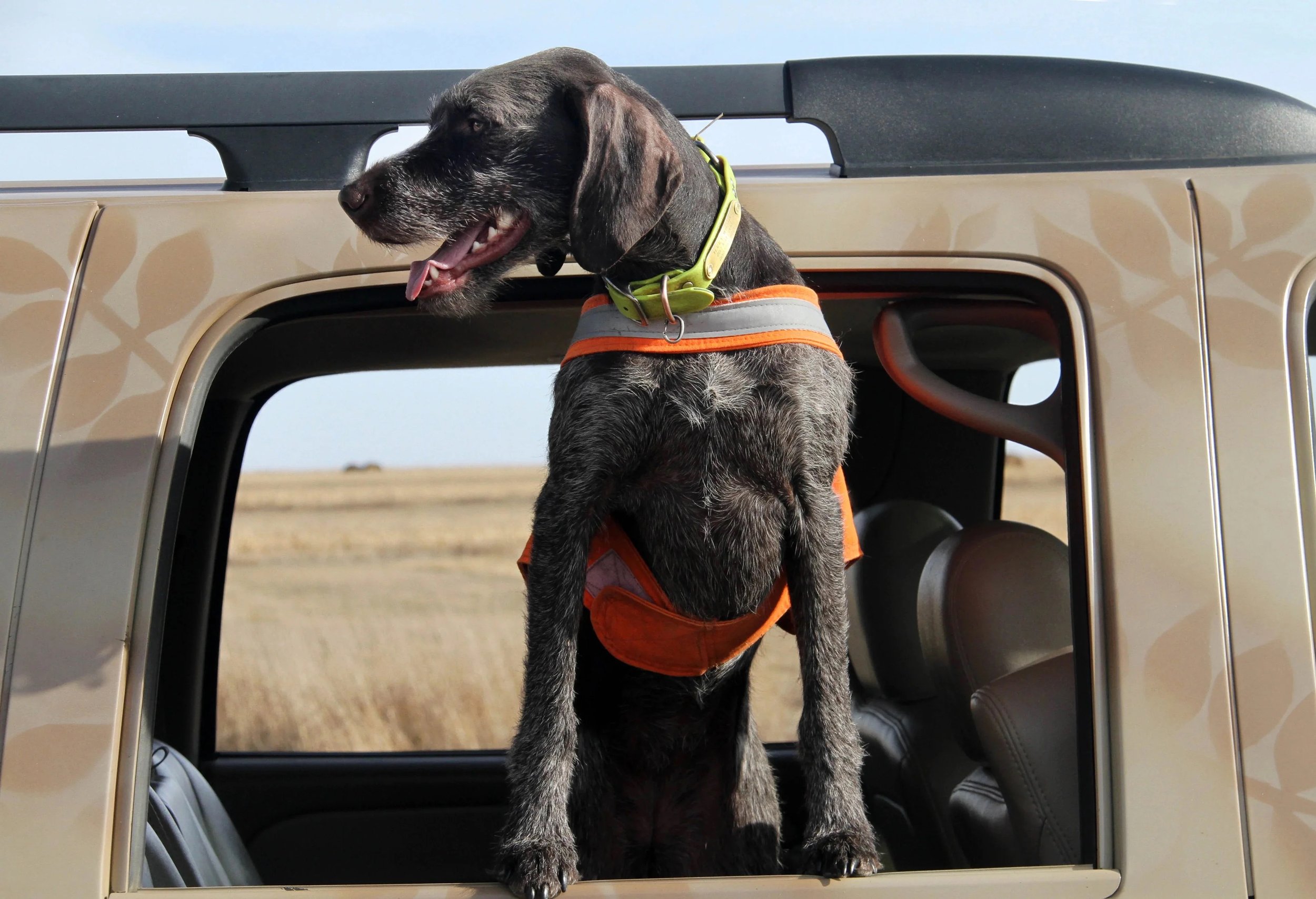
On The Road
Text & Photos by Nancy Anisfield
Reprinted by permission of Pheasants Forever
Hunting trips would be so much smoother if my bird dogs could pack their own gear. And read road maps. And use the restrooms at a truck stop. Reality differs, however. Whether you cross-country cruise in a big hunting rig or fold your little SUV’s back seats down and throw a crate in, travelling with hunting dogs presents challenges to efficiency and safety. Here are a few tried-and-true and a few new tips for travelling with hunting dogs.
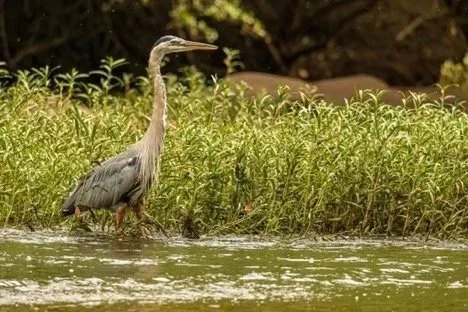
Walk Like a Great Blue Heron
Blog by Lars Jacob
Usually, I’m more patient. I try not to start my foot forward from its planted position. A little trick I learned watching great blue herons wade in the weedy shallows of a pond: kick your foot slightly backward before swinging it forward into the next step.
Get Ready, Get Set, Shoot! Tips for better field photos
Text & Photos by Nancy Anisfield
Most hunters and anglers don’t want to waste time fussing with the camera – we just want to get some good shots then get back to business. The problem is that digital cameras have made taking lots of photos so easy that we forget we still have some work to do to get really good shots. Breaking the process into three steps – ready, set, shoot will improve the odds of getting photos worth framing or sharing on social media.
Fido Photo Ops
Text & Photos by Nancy Anisfield
Reprinted by permission of Pheasants Forever
Digital cameras make it easy to snap pics in the field, but really good dog photos take a little more thought. Here are four tips that will lay the foundation for great dog shots.
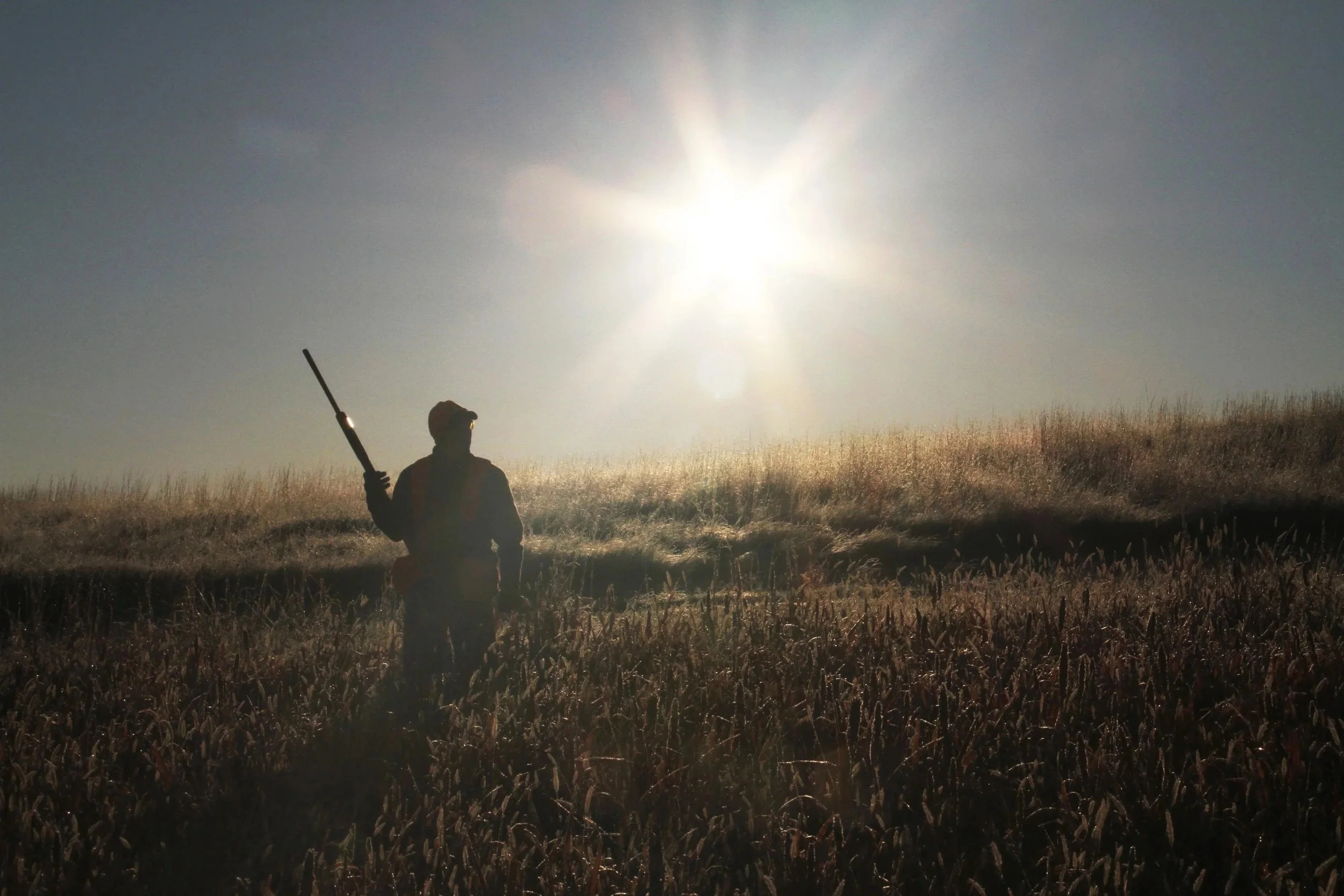
Strategy for the Four Stages of a Gobbler’s Spring Behavior
“The Grand Spring Hunt” by Bart Jacob Chapter 9
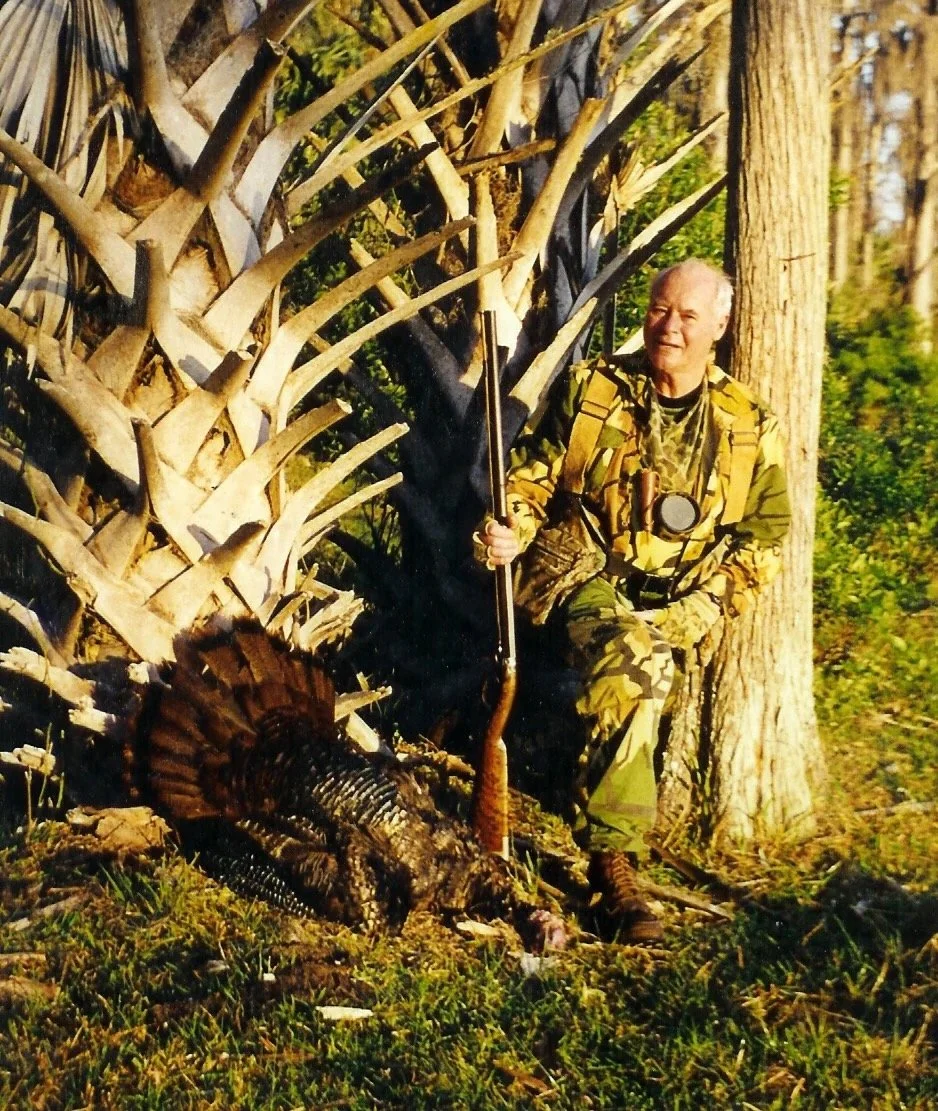
As humans we have a highly developed brain and reasoning power. Skilled psychiatrists can predict fairly closely our behavior under given circumstances. Turkeys have small, undeveloped brains. The only thing predictable about their behavior is that they are unpredictable. For this reason any statements about turkey behavior made in this book can be wrong as well as right. A successful turkey hunter must be a lucky turkey hunter. However, some understanding of what takes place can help stack the deck in your favor.